


Pro Tips for Comparing Trims on Used Cars
If you’ve scrolled through our inventory looking for used cars for sale, chances are you’ve noticed something a little confusing. The same model might show up several times, even from the same year, but with different names tacked on the end: Ford Explorer Active, Ford Explorer ST-Line, Ford Explorer Platinum. What gives?
At The Faricy Boys Ford, we’re here to welcome you to the world of trim levels. They might sound a bit like technical jargon, but they’re just a way to tell you what kind of goodies are packed into each version of a vehicle. Whether you’re a detail-oriented shopper or just trying to get the most bang for your buck, learning how to compare trim levels will make your search a whole lot easier and a lot more fun.
How Do Automakers Design Trim Levels?
Think of trim levels like different varieties of the same food. Let’s say you’re craving a burrito. Now it’s time to decide what kind of burrito you want. You can choose a basic burrito where you can customize what kind of meat and beans come on it, or you can upgrade to a deluxe burrito with additions like guacamole and sour cream. In car terms, this can mean upgrades like more powerful engines, premium upholstery, bigger wheels, high-end sound systems, or advanced safety tech.
Automakers usually start with a base model that has all the essentials and then go up the ladder, adding more features at each step. These steps are the trims. For example, if you’re eyeing a used 2024 Ford Escape, the Active trim is the base, and several mid-level trims build on it with more features and comforts until you reach the top Platinum trim. The higher you go, the fancier it gets.
But just because a used car has a higher trim doesn’t mean it’s the best choice for you. Sometimes, the base trim is exactly what you’re looking for, or a mid-level trim hits the sweet spot between features and price. That’s why knowing how to compare trims can save you time, money, and maybe even a little buyer’s remorse.
Make a Shortlist of What Matters to You
Before diving into the deep end of the pool, take a step back and think about what really matters to you most in a vehicle. Are you someone who wants every bit of tech under the sun? Or are you a regular commuter focused on gas mileage and low maintenance? Maybe you just need something basic for getting around town?
Once you’ve figured out what you need, you can look at different trim levels through that lens. For instance, if you love long road trips, you might value features like leather seats, a high-end audio system, and adaptive cruise control. But if you’re mostly running errands and doing school drop-offs, then features like heated seats and a sunroof might not be worth the added cost.
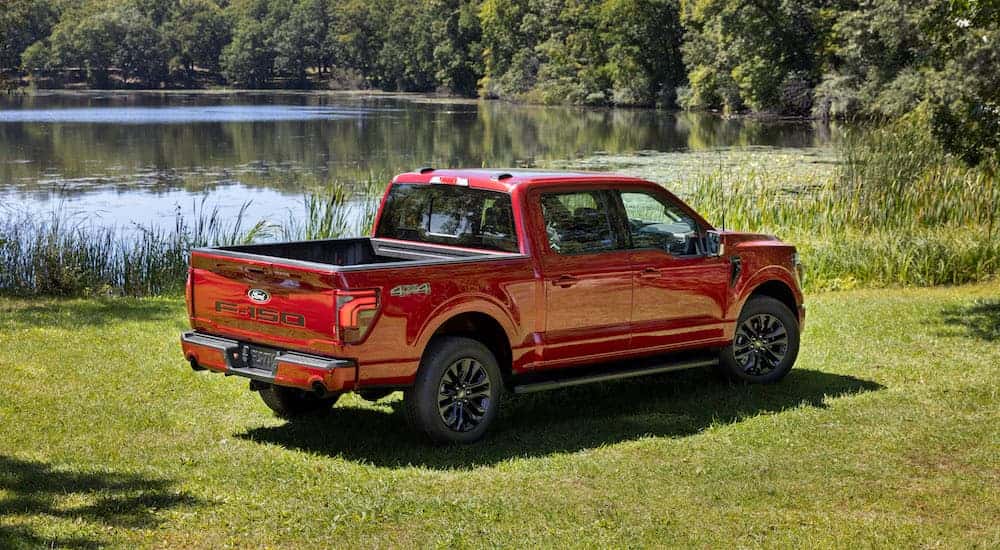
Different trims can also represent different specializations within the same model. While the popular Ford F-150 packs plenty of rugged versatility no matter which trim level you choose, you can find trims on most model years that especially cater to off-roading for truck owners who love to leave the pavement behind for weekend adventures. There’s also an F-150 trim for pickup drivers who want to enjoy the ultimate in luxury and still be able to tackle hard work.
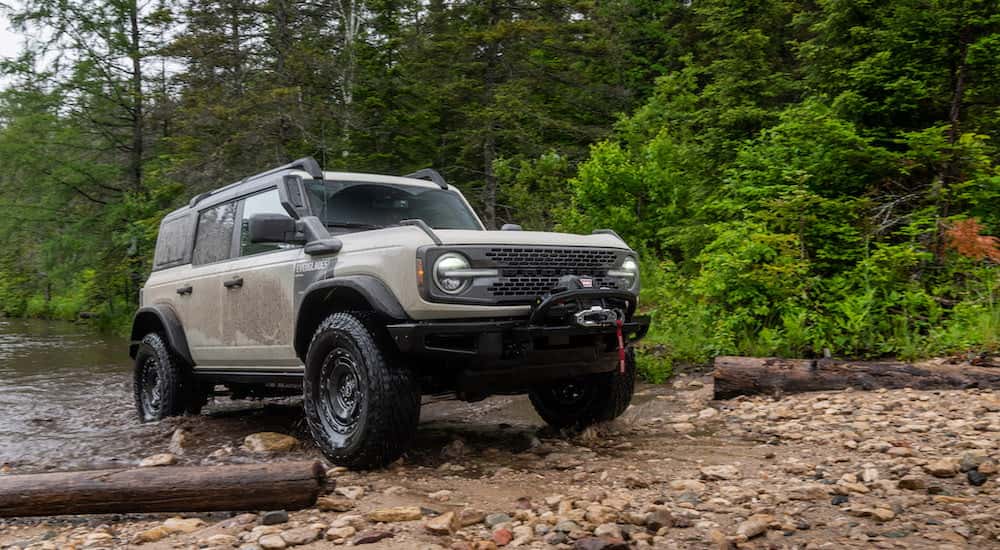
Even models that are already highly specialized, like the Ford Bronco, often come in trims that let drivers further customize their adventure-ready vehicles with more advanced 4×4 systems or bigger tires. Plus, many trims have a distinct look that reflects their capabilities and personality.
Get Friendly With Feature Lists
Now comes the fun part: digging into what each trim offers. Most dealerships, including ours, provide detailed feature lists for each used vehicle in their inventory. Take a good look at what’s included in each trim you’re considering. You’ll start to see patterns—like the top trims on some used models having soft-touch interior surfaces and 360-degree camera systems, while the lower trims don’t.
Be careful, though. Some used cars might have optional packages that blur the lines between trims. A lower trim might have been upgraded with a tech package or appearance package, making it feel like a higher trim. This is where reading the fine print pays off. Don’t just look at the trim name; look at the actual features listed.
Another tip: check multiple years for the same model. Trim levels and feature availability can change from year to year, even if the name stays the same. A 2022 Ford Expedition will have dramatically different features than a 2021 Expedition, even if they’re the same trim, because the model was redesigned for 2022.
Look at the Price Difference
Here’s where your budget can help you narrow things down. You might fall in love with the features on the top-tier trim, but is it worth the extra cost? That depends on how much those features matter to you and how long you plan to keep the vehicle.
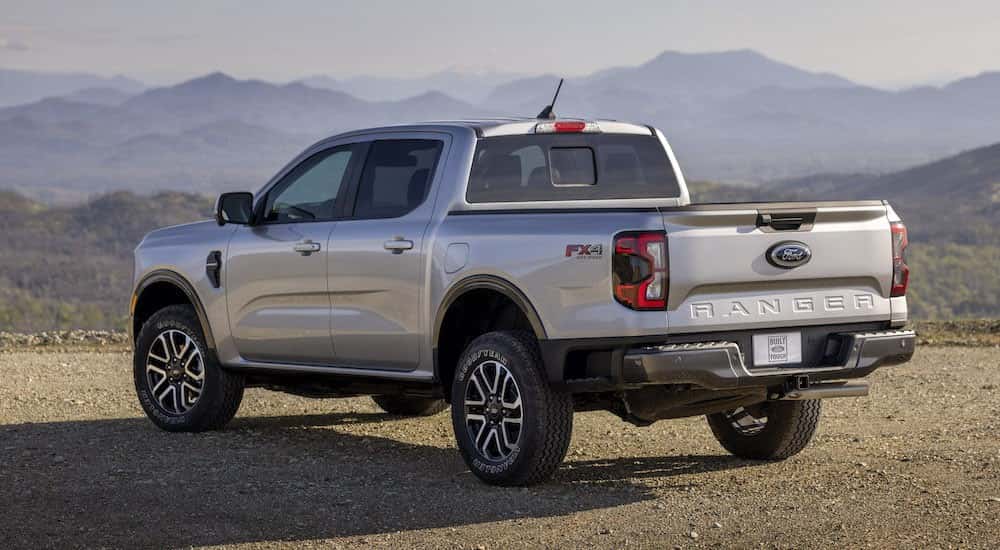
Let’s say you’re looking at two used Ford Rangers. A top-level Ranger might have leather-trimmed seats and a more powerful engine, but it could also cost several thousand dollars more than the base model. Ask yourself, do those features enhance your daily drive enough to justify the price? If yes, go for it. If not, stick with the more affordable option and enjoy the savings.
Take It for a Spin
Some features truly need to be experienced in person. A quick test drive—or even just sitting in the driver’s seat—can tell you a lot about whether a particular trim is right for you. That upgraded sound system might not be as impressive as you thought, or you might find that you don’t actually need the larger infotainment touchscreen on the higher trim.
On the other hand, some features might surprise you. Maybe you didn’t think heated seats were a big deal until you tried them on a cold morning test drive. Or maybe you didn’t realize how much easier parking is with a surround-view camera. Getting a sense of how the vehicle feels and functions in real life is just as important as reading the specs.
Trim the Confusion, Not the Fun
Comparing trim levels doesn’t have to be a chore. In fact, once you understand how it works, it’s kind of like shopping for that perfect burrito. And since used cars come at a significant discount compared to new models, you might be able to afford a higher trim than you expected.
The trick is to match the features you care about most with the best deal you can find. Whether that’s a no-nonsense base model or a fully loaded version that feels like a luxury car, knowing what each trim offers puts you in the driver’s seat—literally and figuratively.
Here at The Faricy Boys Ford, we’re always ready to walk you through features, compare trims side-by-side, and answer any questions you might have. Buying a used car should feel exciting, not overwhelming. The next time you’re browsing, don’t just look at the badge on the back—dive into the details. The perfect trim for your life is waiting, and with a little know-how, you’ll spot it from a mile away and drive off with the ideal used car.
0 comment(s) so far on Pro Tips for Comparing Trims on Used Cars