


The Evolution of the F-150 Through the Generations
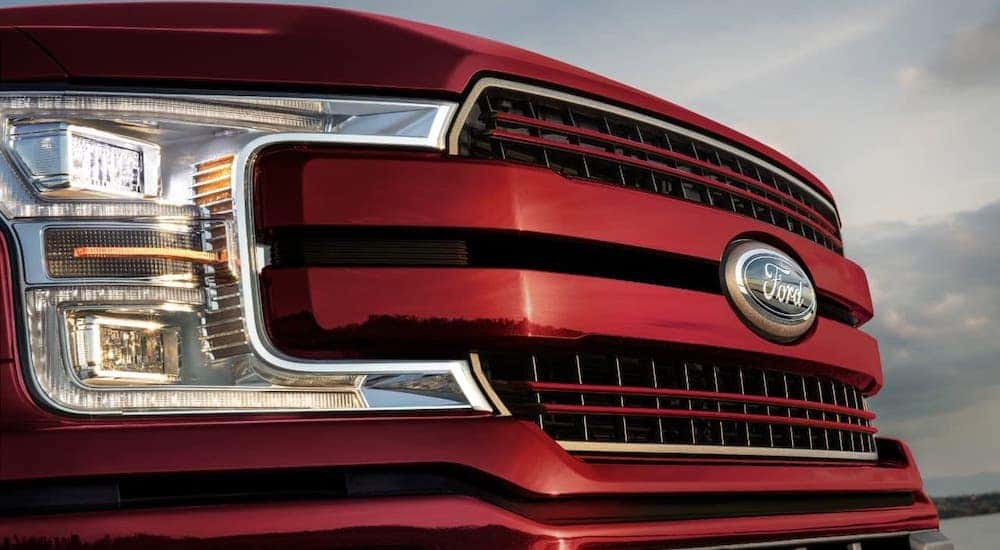
The F-150 has a place in history like few other vehicles. Not only has it been America’s best selling pickup for decades, but it was one of the nation’s first. The Ford F-Series largely pioneered this type of vehicle that has come to both showcase and define so much of the American mindset of individuality and purposeful work. While a solid F-150 can be found at your neighborhood used Ford F-150 dealer, the history and generations of design are something special.
These days, many generations are seen by the public as important historical or classic vehicles, while others are reliable workhorses few would take a second look at. These relatively recent used trucks still have their impact felt with every mile driven, and every payload delivered. F-150s aren’t built to be garage queens, regardless of whether they made history or not; they were built to work. However, it is interesting to take a look back at how the F-150 has evolved over it’s many generations to the superior truck model it is today.
Early Years
The first generation of what is now known as the F-150 began in 1948, and it replaced a Series of car-based pickups with a more solidly built vehicle. The success of these purpose-built work machines began the F-Series line, and a second generation was quickly designed for release in 1953. The second generation remains a styling classic to this day, with elegant sweeping lines and an optional panoramic rear window. While its looks are impressive, at the time, the truck’s most important upgrades were mechanical. New chassis design, better engines, and more cargo capacity set the standard for future generations of F-Series trucks for continual improvement.
The second generation also saw the beginning of what would become the modern F-Series nomenclature. The first generation had a basic naming scheme, classifying their trucks as an F-1 through F-8 depending on weight rating and purpose. In the second generation, the standard half ton truck became known as the F-100, reminiscent of fighter aircraft naming, while the heavier duty models became christened with the titles F-250, F-350, and so on.
In 1957 Ford released the third generation of F-Series, introducing more streamlined styling. This was an evolutionary generation, rather than a revolutionary one, at least until the 1959 model year. In 1959 Ford began building four-wheel drive pickups in-house, integrating yet another important part of the modern F-Series options list.
Finally, in 1961 the fourth generation was introduced. This generation of trucks featured new front suspension and yet another updated styling pattern, though things were about to change significantly in terms of both looks and practicality for the now well-established F-Series. This generation saw the addition of a 4-door crew-cab model and the first use of the name “Ranger.”
Classic Trucks
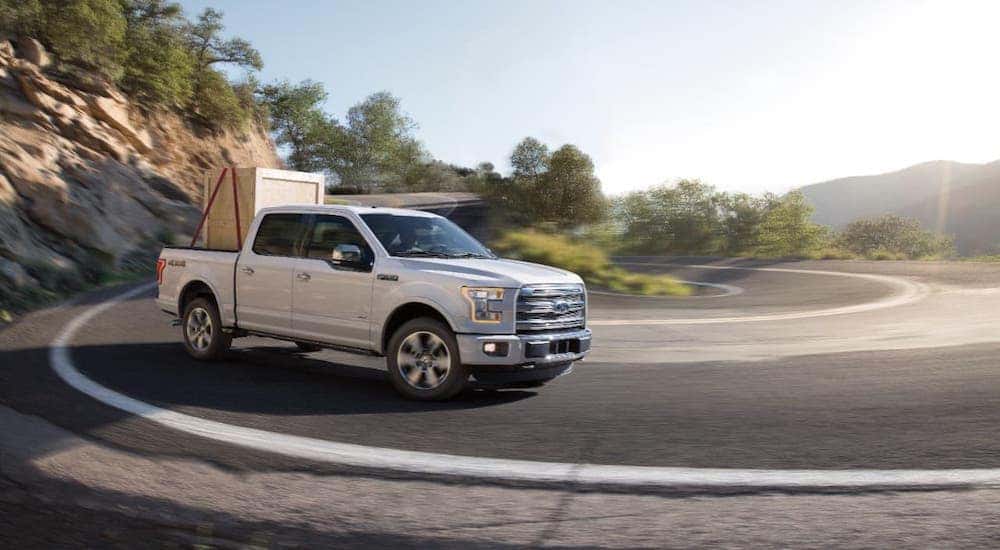
In 1967 the fifth generation started an era of large dimensions, squared-off bodywork, and the introduction of “Specials” created specifically for certain applications. These types of trucks featured preparation for aftermarket modifications, such as camper bodies, and catered to specific customers in ways the F-Series never had before. In general, the F-Series began to branch out in the fifth generation, offering more than just a utilitarian workhorse. The F-Series could now also be configured as a comfortable cruiser, four-wheel drive off-road conquerer, muscular bruiser, or any combination of the three.
The sixth-generation, introduced in 1973, proved more than capable of building off its predecessor’s expansive capability set. This generation was yet another evolutionary era in the F-Series line, with more modern engines replacing the old FE V8s and disc brakes becoming available for the front axle. An important event that no one at the time realized the future importance of was the introduction of the F-150 trim level in 1975.
This first F-150 was a beefed-up version of the more basic F-100, with a larger Gross Vehicle Weight Rating and thus payload. These trucks were impressive in their capability and engrossing in their styling, so much so that a young Ken Block would be inspired to one day build a stunt version of a 1977 F-150 known as the Hoonitruck. That stunt vehicle was largely the product of Block’s childhood spent in his father’s Ford truck.
In 1980, Ford gave the F-Series its first full ground-up redesign. This seventh generation pickup was a watershed moment for the Ford truck line, featuring reduced weight, more efficient engines, and independent suspension, among other significant upgrades. Some of these changes and improvements were the first in the industry and helped make the seventh generation F-150 handle better and drive easier than any F-150 that had come before.
The eighth generation, produced from 1987 to 1991, was another mostly evolutionary step. That said, this was the generation that took the F-150 off carburation and into the modern era of fuel injection. This engine technology gave way to more efficient use of fuel, boosting both economy and power in the years to come across the F-150’s engine range.
The last of the big and square F-150s was the ninth generation. This beefy pickup was built from 1992 to 1997 and included a turbo diesel option. Trim levels began to look more like the modern lineup, with the base model taking up the XL title. The bodywork of this last square F-150 might have seemed big and boxy, but the edges of the boxes were rounded for better aerodynamics. Fuel economy was as important as ever, but it was also easier to achieve than ever before, despite the F-150 getting more capable time and time again.
The efficiency gains weren’t just due to improved aerodynamics but a more mature engine lineup. Mostly consisting of Ford’s most modern V8s of the period, but gasoline and diesel, the ninth generation of F-150 promised to be easier on the gas bill. For those who were less interested in the gas bill, though, there was the SVT Lightning sports truck. Equipped with a hot-rodded 351 Windsor V8, this was one of the fastest pickup trucks on sale at the time, and that was from the factory, but enthusiasts and the aftermarket went even further. While this generation of Lightning was the start of something wonderful, it was soon to be surpassed.
Modern Era
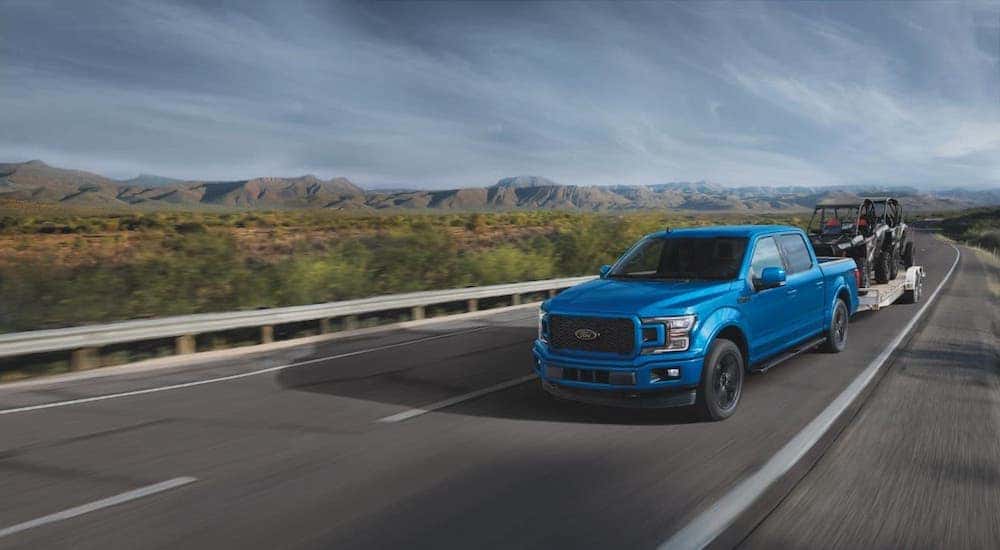
The turn of the century would bring in yet another new look for the F-150 as the modern era dawned. The tenth generation of F-150 would be dramatically rounded to cut through the air and made with many car-like features to make it a breeze to drive. The tenth generation did this while managing to maintain the F-Series professional level capability. Built from 1997 to the 2004 model year, these trucks included a second-generation SVT Lightning, this time packing a huge 5.4-liter supercharged V8 in the lightest and smallest F-150 configuration. While the first Lightning was impressive, this one remains something of a legend in enthusiast circles.
Getting into the meat of the current used market, the eleventh and twelfth generation F-150s were styled closer to the classic square-body look of late 20th century F-150s, but with far better technology. Now firmly in the era of electronic engine management, the 2004 to 2008 eleventh generation utilized the 4.6-liter and 5.4-liter modular V8s, which both provided steadfast power without enormous emissions or excessive fuel consumption. Even now, the 4.6-liter is especially renowned for its near indestructibility.
The twelfth generation, running from 2009 to 2014, introduced the Coyote 5.0 V8 of modern Mustang fame, making for a more powerful and rev-happy engine option. This generation of F-150 included a significant number of trim levels and packages as always, but with a notable number of luxury offerings, like the Platinum trim package. The thirteenth and fourteenth generation form the newest F-150s, as the old Ford truck line continues to forge a path into the future.
Conclusion
The F-150 has had as much evolution in its history as it has had revolution, but the bedrock principles of providing the maximum amount of utility and capability for the lowest amount of cost remains. If you are interested in owning a piece of this coveted part of American history, stop by Faricy Ford to take a look at our amazing inventory of used Ford F-150 pickups. No matter what model year you go with, you will get an F-150 that is capable and backed by a rich history of innovation and reliability.
0 comment(s) so far on The Evolution of the F-150 Through the Generations